

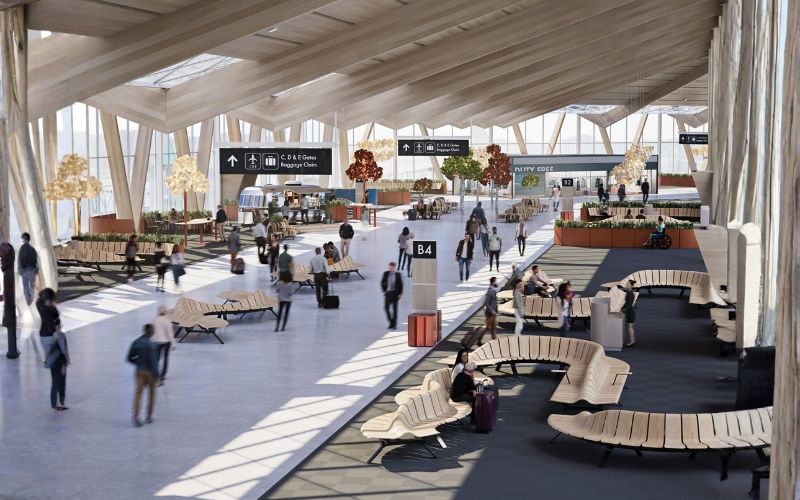
Airport terminals are among the most complex infrastructure environments in modern construction. Unlike traditional commercial interiors, airport facilities must accommodate heavy passenger traffic, strict security regulations, and continuous operations.
Delivering these projects requires the expertise of a specialized airport interior contractor capable of executing durable, functional, and high-performance interiors.
From passenger terminals and retail zones to lounges and public circulation areas, airport interiors must combine architectural design, operational efficiency, and long-term durability.
Why Airport Interior Projects Are Technically Complex
Airport infrastructure differs significantly from hospitality or commercial interior projects. These facilities must support large volumes of passengers while maintaining strict compliance with aviation authority regulations.
This makes the role of an experienced aviation interior contractor critical.
High Passenger Traffic and Durability Requirements
Airport interiors experience extremely high daily usage.
Passenger terminals must handle:
- constant foot traffic
- luggage movement
- retail activity
- operational service areas
Interior contractors must select materials that are:
- impact resistant
- easy to maintain
- long lasting
Professional airport terminal interior fit out contractors design interior solutions that withstand heavy public use while maintaining aesthetic appeal.
Strict Aviation and Security Compliance
Airports operate under strict regulations defined by aviation authorities and government infrastructure bodies.
Interior contractors must coordinate with:
- airport operators
- security agencies
- infrastructure engineers
- regulatory authorities
Compliance with safety codes, fire regulations, and operational standards is essential for every airport interior project.
Complex Coordination Between Multiple Stakeholders
Airport interior projects involve collaboration between several specialized teams including:
- architects and designers
- infrastructure developers
- government authorities
- mechanical and electrical engineers
An experienced airport interior fit out company ensures seamless coordination across all teams to maintain project efficiency.
Construction While Airports Remain Operational
Many airport renovation projects occur while terminals continue operating.
Interior contractors must therefore plan construction carefully to avoid disrupting passenger flow.
This often includes:
- phased construction planning
- night-time work schedules
- temporary infrastructure installations
Professional airport interior contractors develop strategies that allow construction work to proceed while maintaining airport operations.
The Role of Experienced Interior Contractors in Aviation Projects
Delivering successful airport interiors requires a combination of engineering expertise, project management capability, and material knowledge.
Specialized contractors bring:
- large infrastructure project experience
- expertise in durable interior materials
- precision execution for high-traffic environments
Companies like Ashish Interbuild provide the technical expertise required for complex airport terminal interior projects.
Conclusion
Airport terminal interiors demand durability, safety, and operational efficiency while maintaining modern architectural aesthetics.
Working with a professional airport interior contractor ensures that aviation infrastructure projects meet international standards and deliver long-lasting performance.